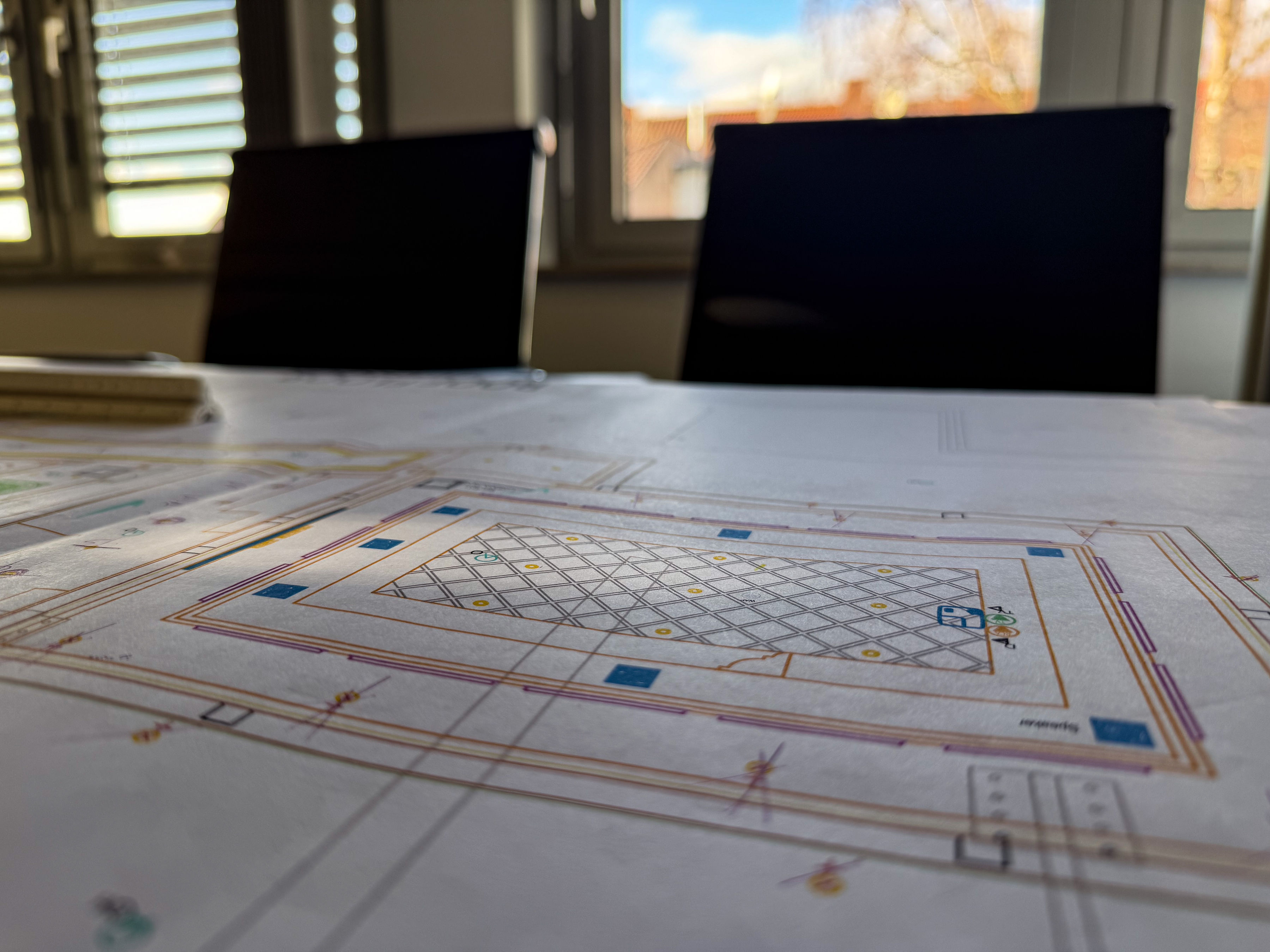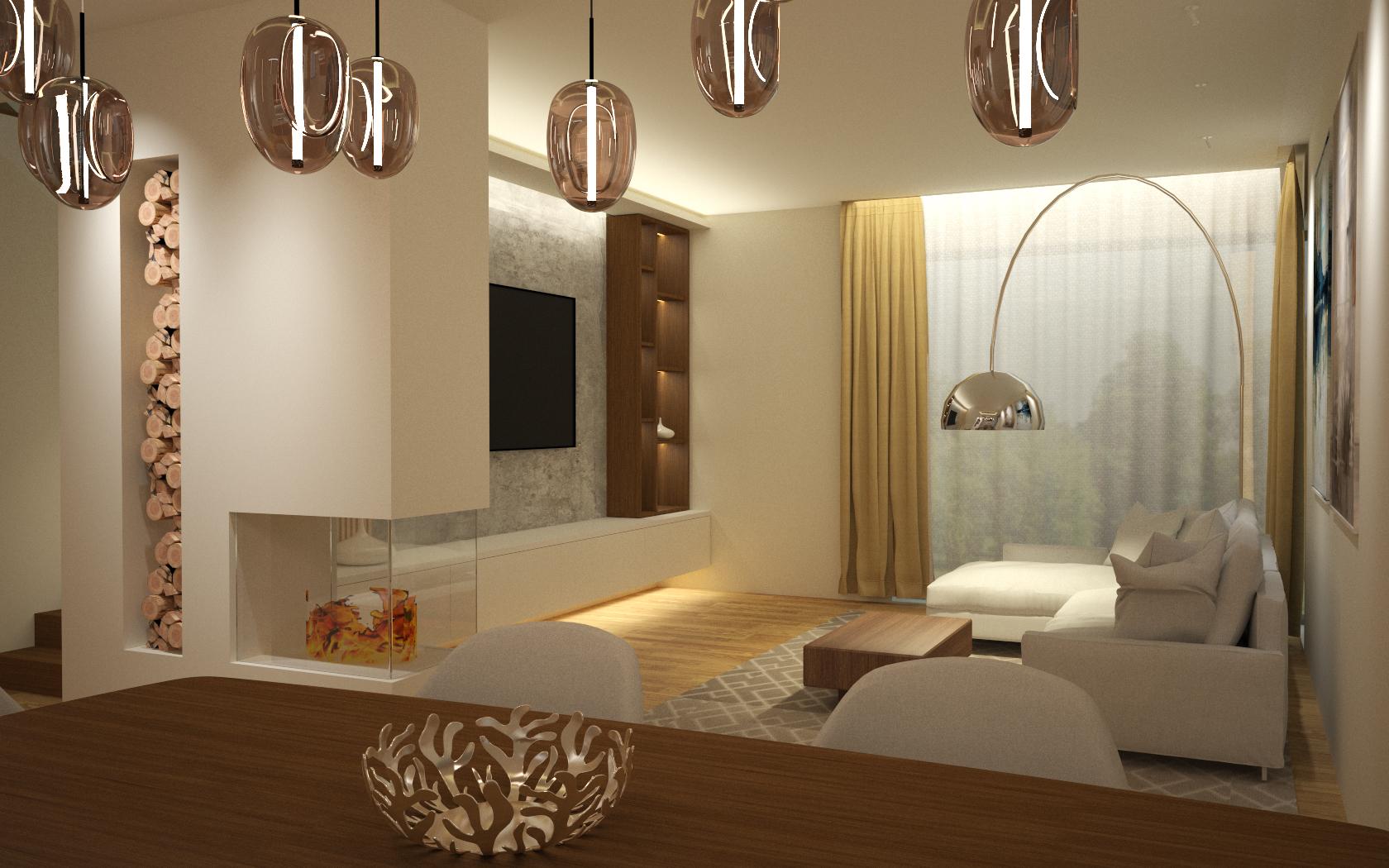
Light is not only functional – it is a design element that creates moods, enlarges spaces, or makes them cozy. In my work as a lighting designer, I see each room as a canvas brought to life by light. Whether it's a living space, office, or hospitality – the right lighting determines how people perceive the space.
Daylight and artificial lighting in interaction Natural light is constantly changing: in the morning it is cool and clear, at noon it is strong and bright, and in the evening it is warm and soft. Artificial lighting complements this dynamics. Warm light creates coziness, while cold light has an activating effect. In offices, for example, I use daylight-like lighting to promote concentration, while warm light in restaurants has an inviting effect.
Accent and mood lighting
A room needs light on several levels:
General lighting: provides orientation and sufficient brightness.
Accent lighting: highlights special objects – whether it's a painting, a sculpture, or an architectural structure.
Mood lighting: creates atmosphere, e.g., dimmable wall lamps or indirect light behind furniture.
Example: In a living room, a single spotlight on a bookshelf can change the entire spatial effect. Accents draw the eye, while the general lighting harmonizes the overall picture.
Conclusion:
Light is more than brightness. It tells stories, directs attention, and influences our emotions. A well-thought-out lighting concept makes spaces experienceable and creates a feeling of home, style, and personality.